What Is Computer Hardware? A Simple Definition with Examples
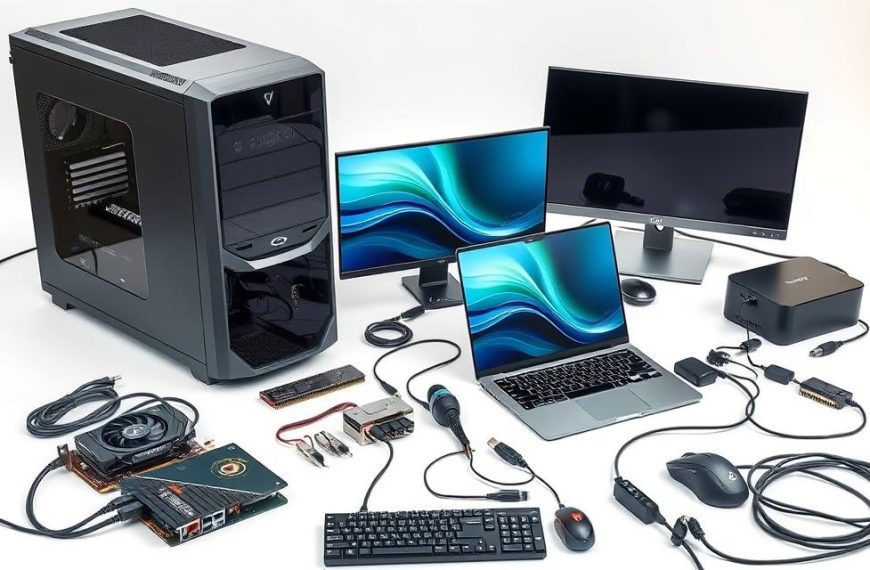
Computer hardware refers to the physical components that make up a computing system. These devices include the CPU, RAM, motherboard, and storage units like SSDs. Unlike software, which consists of intangible programs, hardware is tangible and essential for processing data.…


Blog
What Is Computer Hardware? A Simple Definition with Examples
Computer hardware refers to the physical components that make up a computing system. These devices include the CPU, RAM, motherboard, and storage units like SSDs.…
How to Check Your Computer’s Hardware Info: Easy Tools & Tips
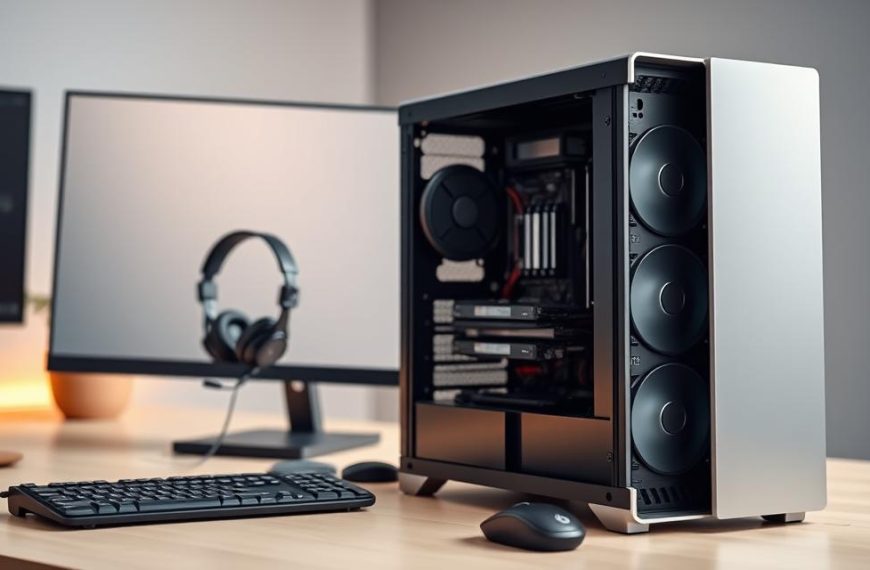
Understanding your system’s components is essential for troubleshooting, upgrades, and optimizing performance. Whether you’re using Windows or macOS, accessing system information can be straightforward with…

How to Set Up and Connect to Network Sharing on Windows and…
Cross-platform file sharing is essential for modern workflows, enabling seamless collaboration between Windows and Mac systems. The SMB protocol plays a critical role in ensuring…
Trending



Latest Stories
What Is a Hardware ID? How to Find Your Computer’s Unique Identifier
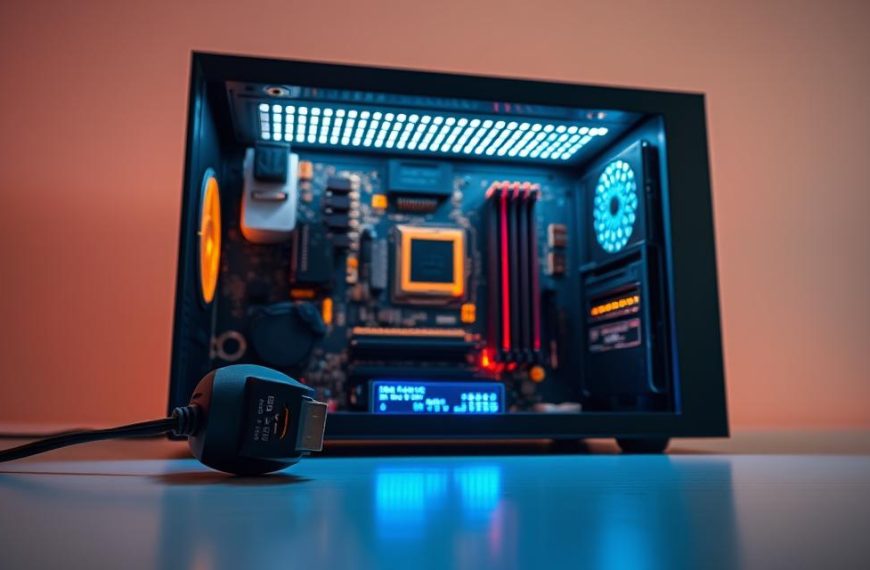
Every device has a unique identifier that acts like a digital fingerprint. This identifier, often called a hardware ID, combines details from components such as the motherboard, CPU, and hard drive. It plays a critical…

How to Easily Connect Your Computer to a Wireless Network
In today’s fast-paced world, staying connected is essential. Whether at home or in the office, a reliable wireless network ensures seamless access to the internet. This setup allows multiple devices to share a single connection,…

Computer systems in medicine manage records, enhance diagnostics, and improve patient care.
Modern healthcare has been transformed by the integration of advanced technology. Electronic health records (EHRs) have replaced outdated paper-based systems, streamlining the way medical professionals manage health records. This shift has significantly reduced errors, thanks…
Top 7 Benefits of Having a Computer Network at Home or in the Office
In today’s fast-paced world, computer networks have become essential for both homes and businesses. They connect devices, streamline operations, and boost productivity. Over 53% of businesses rely on networked systems to manage daily tasks efficiently.…